Mula
also known as: moola
Also available in: Polski · Čeština · Deutsch
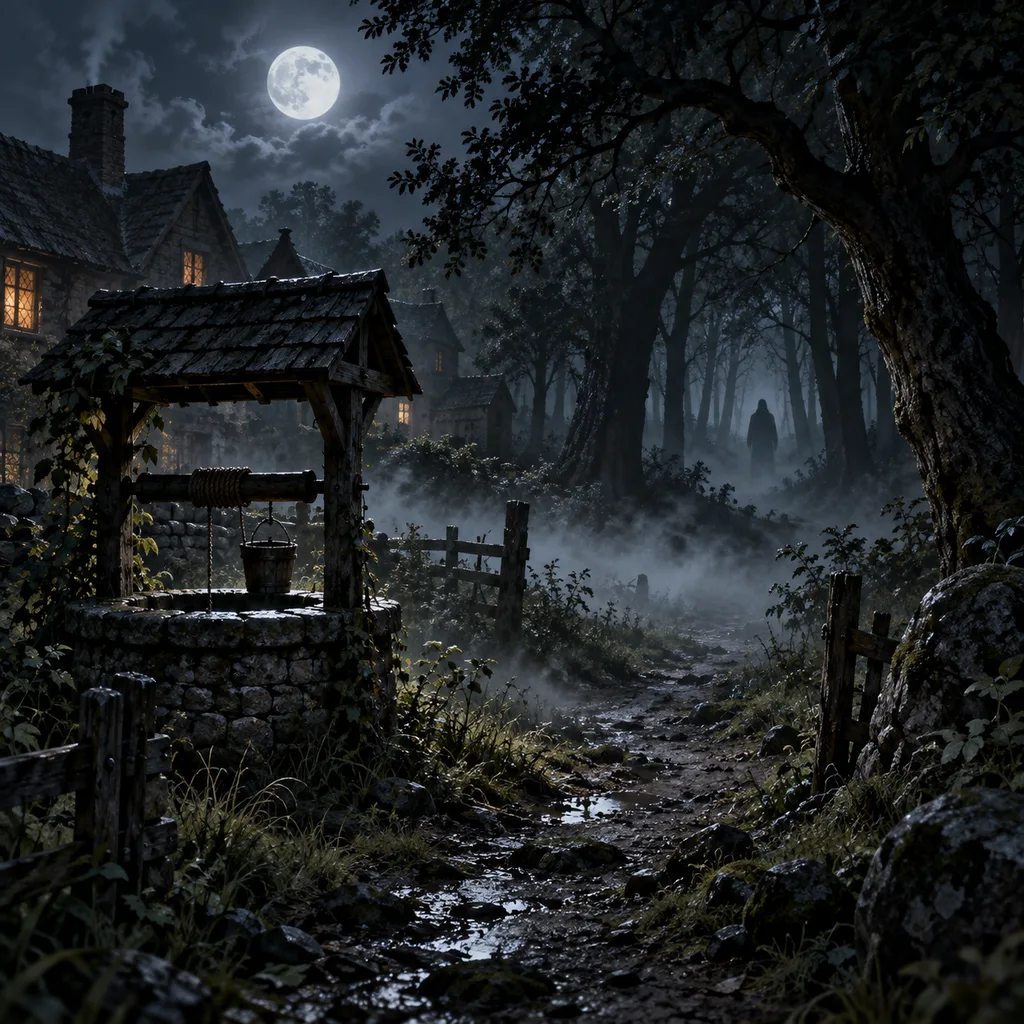
What is a mula
The mula is one of the vampire species in the world of The Witcher, and at the same time one of the least described monsters of the saga. Andrzej Sapkowski mentions it only twice - in the short story “A Grain of Truth” from the collection “The Last Wish” and in the novel “Baptism of Fire” - and never says what it looks like or how to kill it. Everything that can be said about it follows from the context in which its name appears. In the English translation of “The Last Wish” (Danusia Stok) it is called the moola.
“A Grain of Truth”: Geralt’s suspicion
The most important mention comes at the end of “A Grain of Truth”. Near Gelibol Geralt comes across the mutilated bodies of a man and a woman, and then reaches the manor of the enchanted Nivellen, where he meets his mysterious companion Vereena. At first he takes her for a rusalka. Only later does he piece together the mutilated bodies, Roach’s unease and the nightmares that torment Nivellen, and he returns to the manor with his silver sword.
Vereena waits for him in broad daylight, sitting on a dolphin-shaped fountain and singing in a foreign language. Geralt asks her outright who she is and suggests two answers himself: a mula or an alp. He bases his reasoning on one observation - an ordinary vampire would not show itself in the sun. Vereena denies it, and as her smile grows wider and reveals her fangs, the witcher recognizes her as a bruxa.
All that can be read from this scene is this: in Geralt’s knowledge the mula is a vampire that can pass for a human, is not afraid of the sun and is easily mistaken for a bruxa or an alp.
“Baptism of Fire”: Regis’s list
The second mention comes in “Baptism of Fire”, in a conversation about vampires in which the barber-surgeon Emiel Regis takes part - before the company learns that he is a higher vampire himself. Asked whether a vampire can tear its victim to shreds, Geralt replies that this does not happen. Regis adds that higher vampires never behave that way, and that the alp, the katakan, the mula, the bruxa and the nosferat do not cruelly mutilate their victims either. Only the fleder and the ekimma treat corpses brutally - and those, he adds, are not found in this climate at all.
The mula thus falls into the group of vampires that kill without butchering the bodies. The list says nothing more, and fans still argue over whether the species named in it belong to the higher vampires or stand beside them.
The mula that never made it into the game
The developers of “The Witcher 3” planned the mula as an enemy but cut it before release. This is known from CD Projekt RED’s working materials from 2013-2014, which later leaked online. We do not repeat the ideas for its appearance and abilities described there: it is an unofficial, abandoned project, not canon.
The monster did not make it into the finished “The Witcher 3” or into any other game in the series.
Where the name comes from
Sapkowski does not explain the origin of the word, but its sound clearly recalls the mullo (mulo) of Romani beliefs, including those of the Romani living in the Balkans. In the Romani language mulo simply means “dead man”. In that folklore it is the revenant of a person who died a sudden, unnatural death or was not given a proper burial. It returns to harass those it disliked in life, especially relatives to blame for its death or for neglecting the rites - it smothers them and drinks their blood. The dead were protected against such a return with, among other things, iron needles and a hawthorn stake, and a dhampir, the son of a vampire and his widow, was hired to detect the revenant.
This, however, is folklore, not canon: none of these beliefs was carried over into the saga.
Frequently asked questions
Does the mula appear in The Witcher? Only as a mention in the books: in “A Grain of Truth” and in “Baptism of Fire”. It is not in the games, although it was planned for “The Witcher 3”.
How does a mula differ from a bruxa? The saga does not say. All we know is that both species can pass for humans, are not afraid of the sun, do not butcher their victims and are sometimes mistaken for each other.
What does a mula look like? The canon has no description of it. The figure from the cut “The Witcher 3” materials is just a design that never made it into the game.
Where does the name mula come from? Most likely from the mullo, a revenant of Romani beliefs - from the Romani word for a dead person. Sapkowski himself has not confirmed this.
